Why Seniors Should Wear Socks Even at Home
As we age, the small comforts in life become more important. One simple but often overlooked habit is wearing socks indoors. Many people believe that socks are only necessary in cold weather or when going outside, but for seniors, keeping feet covered at home offers a host of benefits that go far beyond warmth. From health and safety to comfort and hygiene, wearing socks can significantly improve the quality of life for older adults.
1. Maintaining Warmth and Circulation
One of the most obvious reasons seniors should wear socks is warmth. As we age, our circulation naturally slows down, making it harder to keep extremities like hands and feet warm. Cold feet are not just uncomfortable—they can also lead to more serious issues such as numbness, stiffness, and even increased risk of falls. Socks act as a layer of insulation, keeping the feet warm and helping maintain proper blood circulation. For seniors with conditions like diabetes or peripheral artery disease, which already compromise circulation, wearing socks at home is especially important.
2. Preventing Foot Injuries
Falls are a major concern for older adults, and the feet play a crucial role in balance. Barefoot walking on slippery floors increases the risk of slips, trips, and falls. Wearing socks with non-slip grips provides extra traction, reducing the chances of accidents. Even regular cotton or wool socks can offer some protection by providing a soft barrier against small scrapes or scratches from hard surfaces. Seniors who wear socks consistently are better equipped to avoid injuries that could otherwise lead to fractures or long-term mobility issues.
3. Promoting Foot Health
Feet require care at every age, but seniors are more prone to certain conditions such as dry skin, calluses, and fungal infections. Socks serve as a protective layer that reduces friction between the feet and footwear, or even the floor. This helps prevent blisters and calluses from forming. Moisture-wicking socks can also keep the feet dry, which is crucial for avoiding fungal infections like athlete’s foot. Regularly changing and wearing clean socks ensures that seniors’ feet stay healthy and comfortable.
4. Comfort and Pain Relief
Aging often brings aches and pains in the feet due to arthritis, bunions, or general wear and tear. Socks, especially those with cushioning, provide gentle support and reduce pressure on sensitive areas. Compression socks can further improve blood flow, helping to alleviate swelling in the feet and ankles. Even simple cotton socks can create a layer of softness that makes walking around the house more comfortable, preventing unnecessary discomfort from hard floors.
5. Hygiene and Odor Control
Feet are naturally prone to sweat, and sweat that accumulates can lead to bad odor and bacterial growth. Wearing socks helps absorb moisture, keeping the feet clean and dry. This is particularly important for seniors with limited mobility who may not be able to wash their feet as frequently as younger adults. Clean socks reduce the risk of infections and make daily hygiene easier to manage.
6. Supporting Sleep and Relaxation
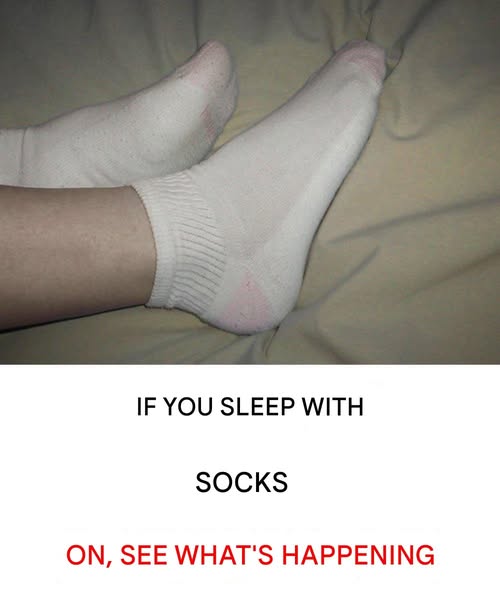
Warm feet play a surprisingly important role in sleep quality. Studies have shown that keeping the feet warm can help the body relax and prepare for rest. Seniors who struggle with insomnia or restless nights may find that wearing socks to bed promotes better sleep by improving blood flow and maintaining a comfortable body temperature. The simple act of covering the feet can have a calming effect, contributing to overall well-being.
7. Psychological Comfort
Wearing socks can also provide a sense of routine and comfort, which is important for seniors who may feel more vulnerable at home. Familiar routines, such as putting on socks in the morning and before bed, create small but meaningful moments of self-care. This habit not only supports physical health but also reinforces a sense of normalcy and personal dignity.
8. Choosing the Right Socks
Not all socks are created equal, and seniors should be selective about what they wear. Non-slip socks with grips are ideal for safety. Socks made from natural fibers like cotton or wool are breathable and gentle on the skin. Moisture-wicking or compression socks can be used for specific health needs. Importantly, socks should not be too tight, as this can restrict circulation and cause discomfort. Ensuring the right fit and material can maximize the benefits while avoiding any negative effects.
Conclusion
While socks might seem like a trivial piece of clothing, for seniors, they serve multiple essential purposes. From keeping feet warm and improving circulation to preventing injuries, supporting foot health, and promoting better sleep, wearing socks indoors is a simple habit that can make a big difference. By prioritizing comfort, hygiene, and safety through socks, older adults can enhance their daily well-being, reduce risks, and enjoy greater independence. Encouraging seniors to wear socks, even at home, is a small change that pays off in large, meaningful ways.
