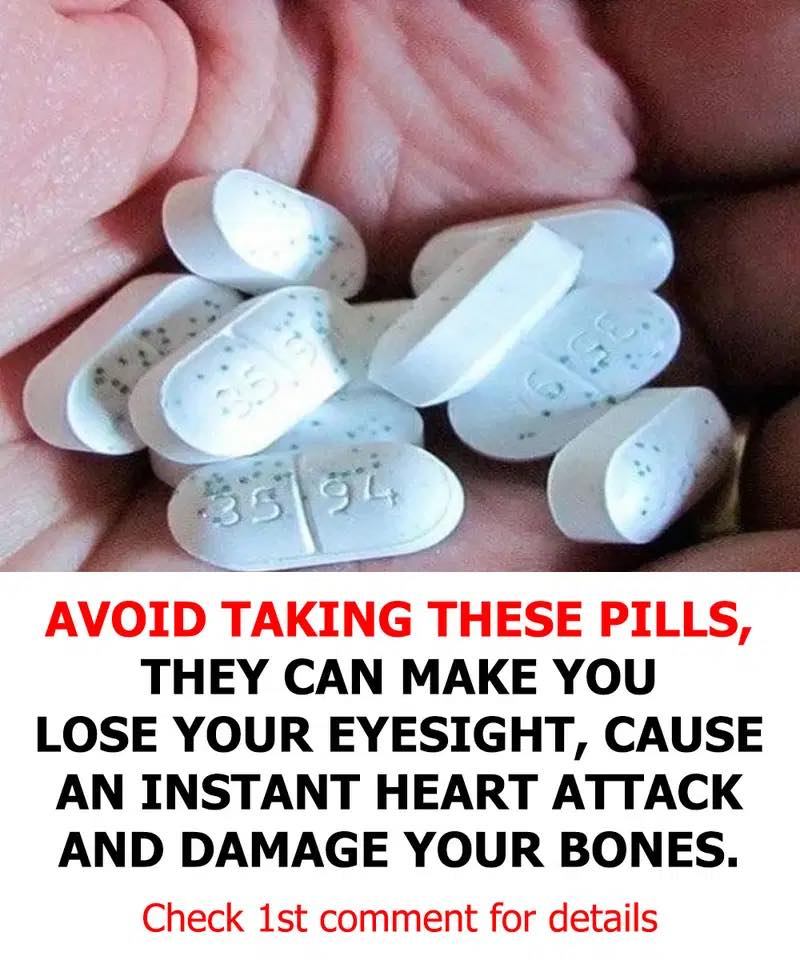
Medications save lives every day, but like all powerful tools, they can also carry risks. One of the most serious and often misunderstood risks linked to certain pills is the increased chance of forming blood clots (thrombi), which can lead to life-threatening events such as heart attacks, strokes, or pulmonary embolism. Understanding how this happens, which medications are involved, and who is most at risk can help people use medicines more safely and responsibly.
What Are Thrombi and Why Are They Dangerous?
A thrombus is a blood clot that forms inside a blood vessel. Normally, clotting is a protective process that stops bleeding after an injury. However, when clots form unnecessarily or grow too large, they can block blood flow. If a clot blocks an artery supplying the heart, it can cause a heart attack. If it travels to the brain, it may cause a stroke. Clots that move to the lungs can result in a pulmonary embolism, which can be fatal if not treated quickly.
How Can Pills Increase the Risk of Blood Clots?
Some medications affect blood composition, hormone levels, or circulation in ways that promote clot formation. Pills may increase clotting factors, reduce natural blood thinners in the body, or cause blood vessels to constrict. Over time, these effects can increase the likelihood of thrombus formation, especially in people with other risk factors.
Common Pills Linked to Clot and Heart Attack Risk
- Hormonal Birth Control Pills
Oral contraceptives containing estrogen are among the most well-known medications associated with blood clots. Estrogen can increase clotting proteins in the blood. While the overall risk is low for healthy young women, it rises significantly in smokers, women over 35, and those with obesity or a history of clotting disorders. - Hormone Replacement Therapy (HRT)
Used to manage menopausal symptoms, some forms of HRT—especially oral estrogen—can raise the risk of clots and cardiovascular events. The risk depends on dose, formulation, and duration of use. - Certain Painkillers (NSAIDs)
Non-steroidal anti-inflammatory drugs such as diclofenac and some COX-2 inhibitors have been linked to a higher risk of heart attack and stroke, particularly with long-term or high-dose use. These drugs may affect blood vessels and platelet function. - Cancer Treatments and Immunomodulators
Some chemotherapy drugs and newer immune-modulating medications increase clotting risk by damaging blood vessels or altering coagulation pathways. - Medications for Erectile Dysfunction and Weight Loss (Misuse or Combination Use)
When misused or combined with other drugs, these medications may strain the cardiovascular system, raising the risk of heart-related events in vulnerable individuals.
Who Is at Higher Risk?
Not everyone who takes these pills will develop clots. Risk increases when medications combine with personal or lifestyle factors such as:
- Smoking
- Obesity
- Sedentary lifestyle or long periods of immobility
- High blood pressure or diabetes
- High cholesterol
- Family history of blood clots or heart disease
- Older age
Warning Signs You Should Never Ignore
Blood clots and heart attacks often give warning signs. Seek immediate medical help if you experience:
- Sudden chest pain or pressure
- Shortness of breath
- Swelling, pain, redness, or warmth in one leg
- Sudden dizziness, confusion, or difficulty speaking
- Unexplained rapid heartbeat
Early treatment can save lives.
Reducing the Risk While Taking Pills
Medications should never be stopped abruptly without medical advice, but risks can often be minimized:
- Discuss your full medical history with your doctor before starting any long-term medication
- Ask about lower-risk alternatives or non-oral options when available
- Avoid smoking, especially if using hormonal medications
- Stay physically active and hydrated
- Have regular checkups to monitor blood pressure, cholesterol, and overall heart health
The Bottom Line
Pills can be essential for managing health conditions, but some can increase the risk of thrombi, clots, and heart attacks—particularly when combined with certain risk factors. Awareness, informed choices, and regular medical guidance are key. Medicines should be used wisely, not fearfully, with a clear understanding of both their benefits and potential dangers. Always consult a healthcare professional before starting, stopping, or changing any medication.
